
See also


 17.07.2026 03:10 PM
Weak US inflation data and large inflows into spot Ethereum ETFs pushed ETH back to around $1,900. Asian exchanges slid amid a broad semiconductor sell-off and a re-rating of AI investments. Mixed quarterly results at Netflix — rising ad revenue and top line, but a cautious outlook — are weighing on investor sentiment. Google again delayed the launch of its most powerful Gemini AI model — 3.5 Pro.

On Wednesday, July 15, Ethereum (ETH) returned to around $1,900 for the first time since June 2, after US inflation data came in weaker than expected and sparked a broad crypto market rally. According to Yahoo Finance, the asset opened at $1,889.97 in the morning, up 6.6% from the previous day's open.
The primary trigger was Bureau of Labor Statistics data: the consumer price index (CPI) fell 0.4% in June — the largest monthly decline since April 2020. Year-on-year inflation eased to 3.5% versus economists' forecast of 3.8%. Core inflation (excluding food and energy) was unchanged month?on?month and stood at 2.6% year-on-year.
Institutional demand provided an additional boost. On July 14, US spot Ethereum ETFs recorded a net inflow of $58.34 million, with all of the day's flows going into BlackRock's iShares Ethereum Trust (ETHA). ETHA's cumulative net inflows are now estimated at $11.24 billion, and total assets in spot Ethereum ETFs reached $10.09 billion.
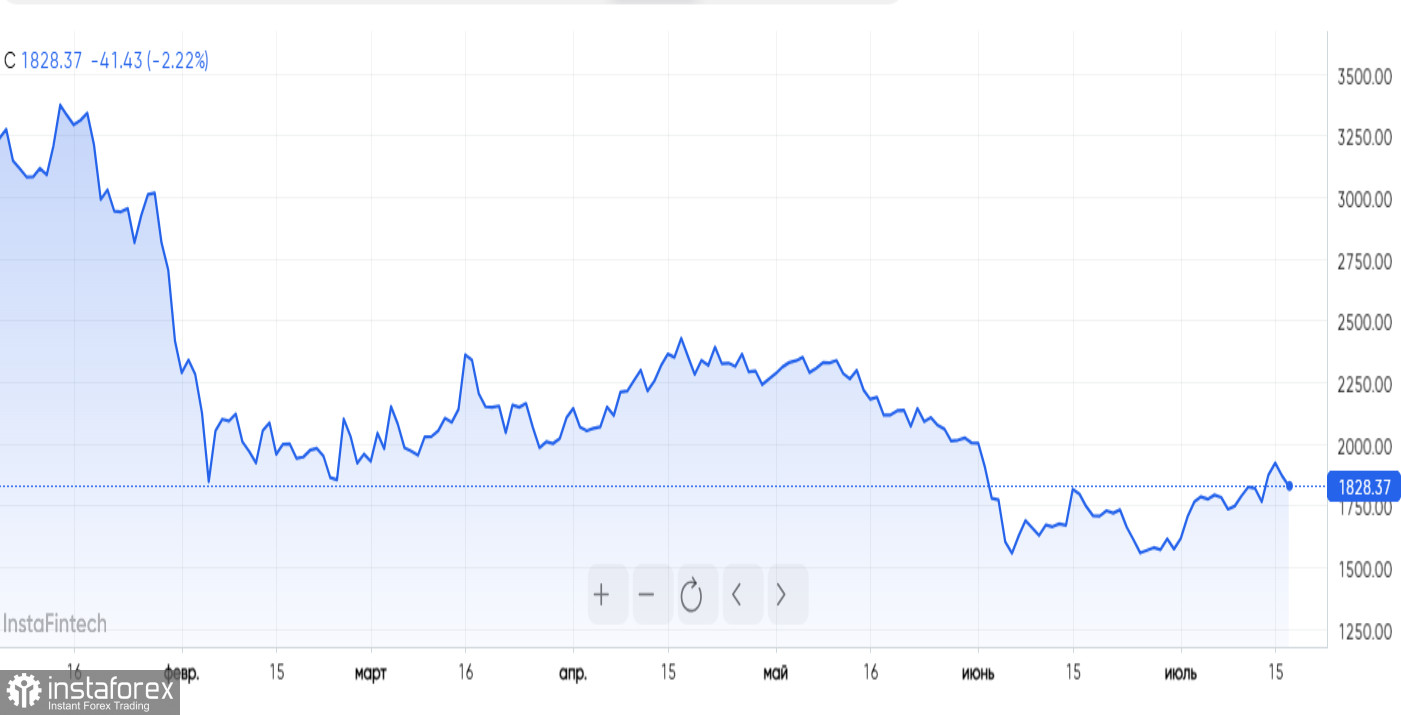
The recent inflows continued a trend reversal that began at the start of the month. For the week ended July 11, spot Ethereum ETFs attracted $84.42 million — the first positive week after eight consecutive weeks of outflows.
The instruments mentioned in the article are available for trading on the InstaTrade platform. Traders who want to take advantage of the market situation should open a trading account with InstaTrade and download the company's mobile app for convenient access and quick responses to market moves.

On Friday, July 17, Asian exchanges slid sharply: Japan's Nikkei 225 lost more than 5%, falling to levels not seen since June 11, while Taiwan's Taiex plunged more than 4% in morning trading. This was the second painful trading day in a row as investors exited positions tied to the AI theme.
The reason for the sell-off is clear: sectoral expectations for semiconductors have rapidly faded. The Philadelphia Semiconductor Index has retraced roughly 19% from its peak since June, Bloomberg notes — skepticism is growing over whether the hundreds of billions invested in AI infrastructure will pay off. In the US on Thursday, the VanEck Semiconductor ETF fell nearly 4%, pushing its weekly decline to almost 7%.
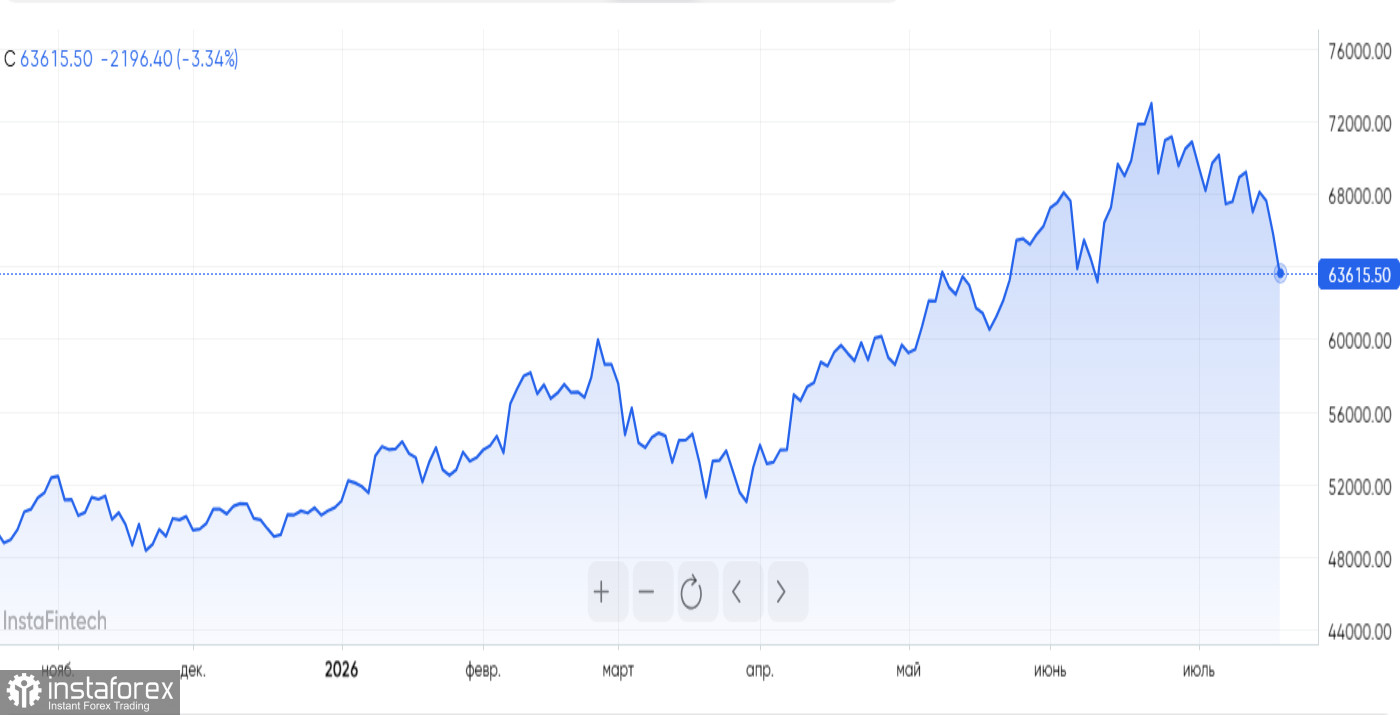
Even companies with strong results did not save their stocks. TSMC, a barometer of AI-chip demand, reported a record Q2 profit of $22.36 billion, up 77% year-on-year and well above analysts' expectations. Nevertheless, its shares fell 4.5% on the Taipei exchange on Friday — markets reacted to a rise in forecast capital expenditures and analysts' concerns about rising costs and fatigue from years of AI hype.
It's not only TSMC at risk. In Japan, Kioxia (recently larger than Toyota by market cap) has lost about half its value over the past month. The MSCI Asia Pacific index fell 2.1%, and Chinese AI and tech stocks continued to decline.
Netflix released its quarterly results after the close on Thursday, producing a mixed report. The service beat profit estimates but missed revenue consensus by a small margin. The company reported revenue of about $12.56 billion — up 13% year-on-year, but slightly below the $12.57–12.58 billion range analysts expected.
Management attributes the performance to two factors: price increases in some markets and the active expansion of the advertising business. The ad tier now covers more than 250 million monthly active viewers worldwide — a milestone Netflix highlighted at its May 2026 upfront presentation.
Management had previously pledged that ad revenue would double to $3 billion in 2026, and the quarterly results suggest the company is moving in that direction.
For investors, advertising has become a key driver of optimism. Some analysts, including those at Bank of America and Cowen, had viewed Netflix shares as a play on rising ad revenue, and the quarter confirmed that advertising is gaining weight in the revenue mix.
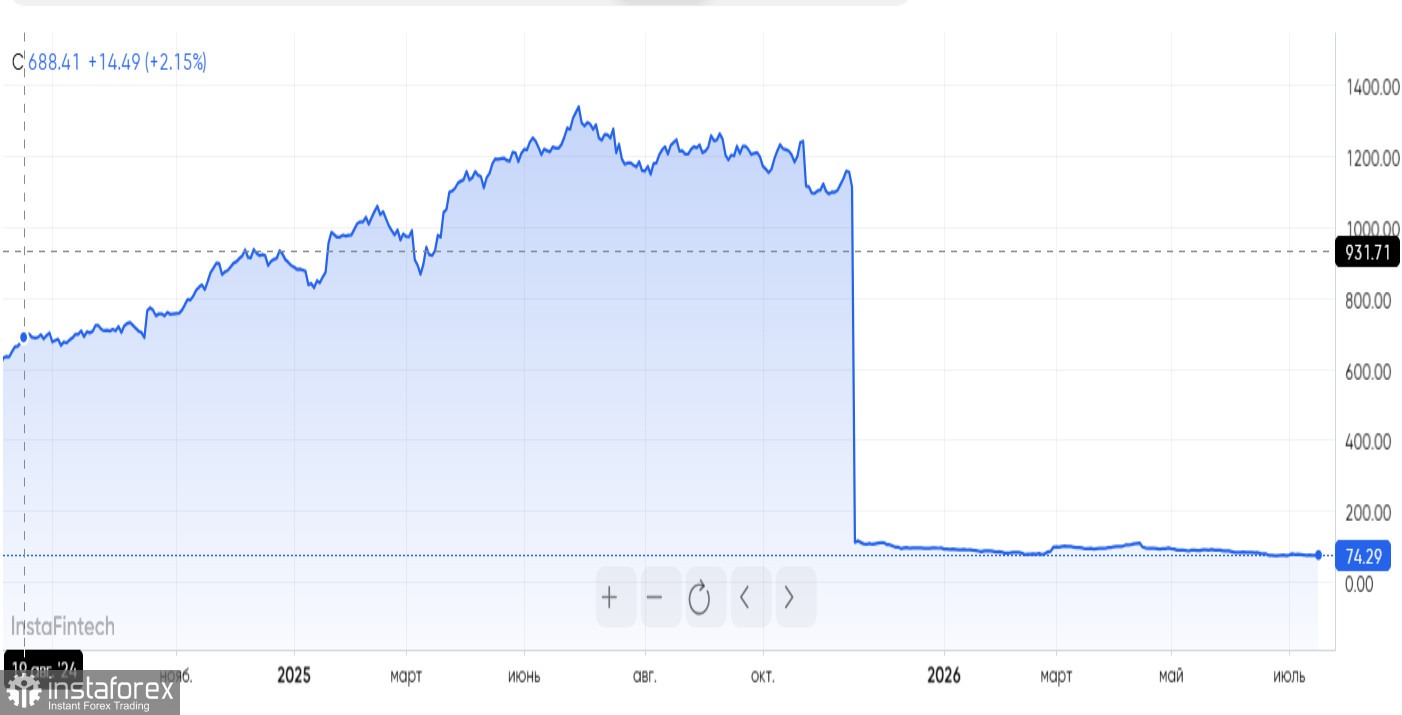
Netflix's guidance for Q3 came in below analysts' expectations — a trend that has pressured the stock for several quarters. In Q1 2026, the company beat revenue and profit estimates, yet the shares fell almost 10% in after-hours trading due to cautious guidance.
The company also announced it will move its audience report — formerly published twice a year with viewing hours for individual projects — to an annual cadence. This change removes one of the relatively few sources of content performance metrics for investors and the industry.
At the time of the report, Netflix shares were under pressure: trading roughly 35% below their 52-week high of $134.12 and down about 24% in the first half of 2026. The options market had priced in a move of about 7.3% in either direction around the earnings release.
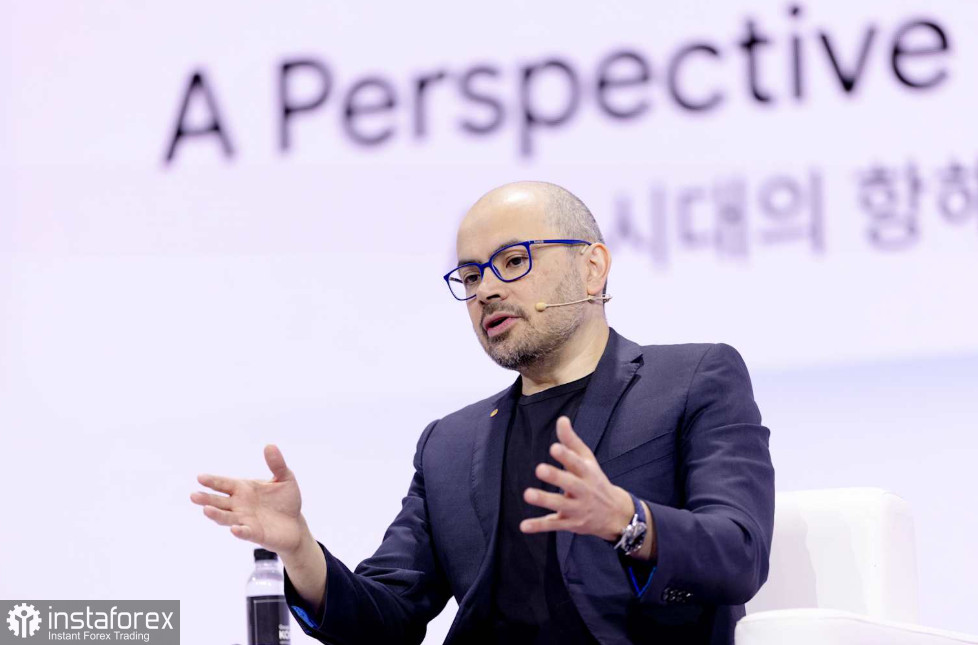
Google again postponed the launch of its most powerful Gemini AI model — 3.5 Pro. According to a Bloomberg report, the release is delayed by several months, causing notable frustration among engineers, AI researchers and managers inside the company.
The main reason for the delay is work on the model's programming skills. Bloomberg's sources say Google is trying to close a gap in code generation that emerged after new models from OpenAI and Meta, which have shown stronger coding performance than current Gemini versions. Late last month, Google updated Gemini's training data, but the changes have not yet produced the expected results — internal tests remain unsatisfactory.
Gemini 3.5 Pro was first announced at the I/O conference on May 19, 2026, together with Gemini 3.5 Flash. Sundar Pichai then promised that Pro would appear "next month," but June passed without a broad release. At the end of June, Business Insider reported the launch was pushed to July to collect feedback from initial testers.
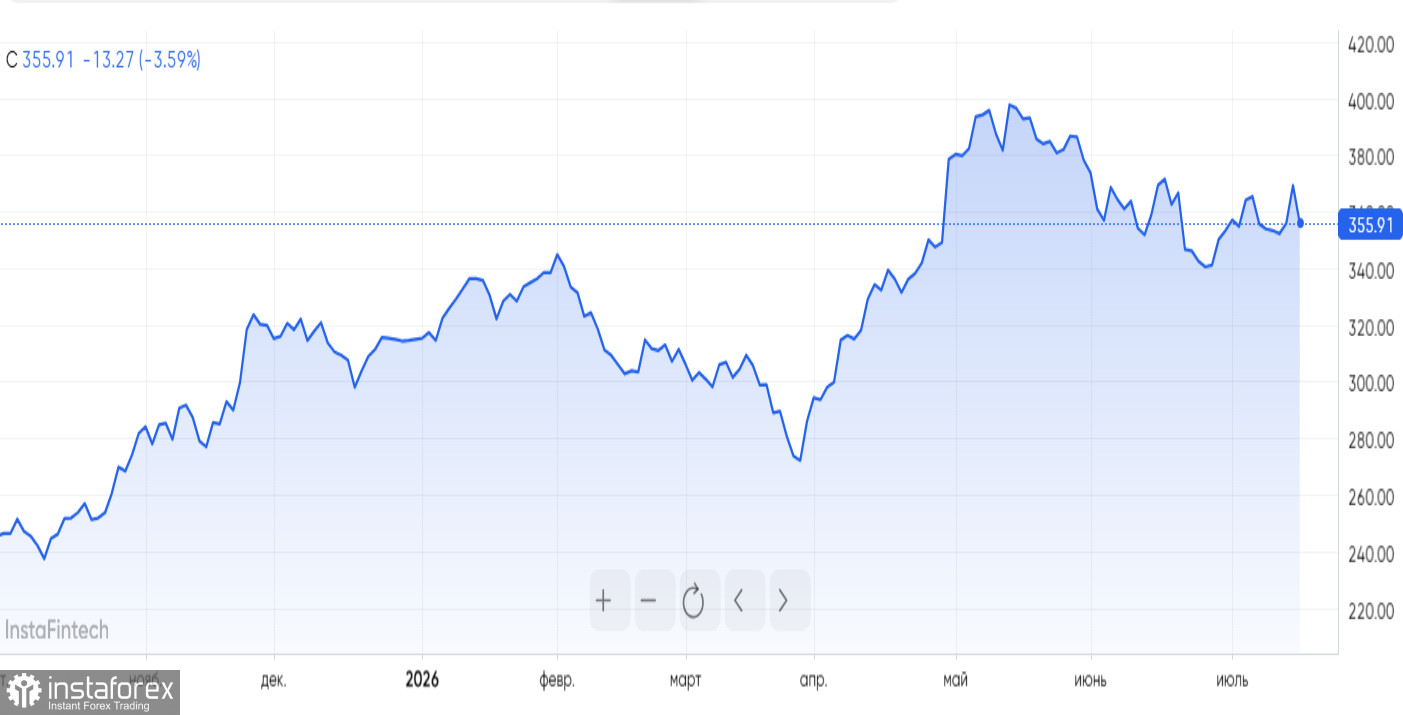
To date, the model is available only in a limited corporate preview on Vertex AI; the wider developer community is still waiting. Mid-July materials show several test builds have not reached the company's stated performance targets, especially compared with products like OpenAI's GPT-5.6.
After Bloomberg's report this week, Alphabet shares plummeted.
For Google, the delay is an unwelcome signal because the company risks losing momentum in the race for leading AI models — a gap competitors may exploit. For the market, it's another reason to reassess valuations of tech giants and sector return expectations.
The instruments discussed in the article — Alphabet shares and other tech assets — are available for trading on the InstaTrade platform. Users who want to take advantage of the current market situation should open a trading account with InstaTrade and download the company's mobile app for fast access to quotes and mobile trading.


