
See also


 27.04.2026 03:46 PM
Meanwhile, as the pound sterling continues to climb higher against the US dollar, Bank of England surveys show that British firms are planning the largest price rises in two years. Although the energy shock caused by the war with Iran has not yet resulted in stronger wage-bargaining demands, many companies signal high levels of concern.
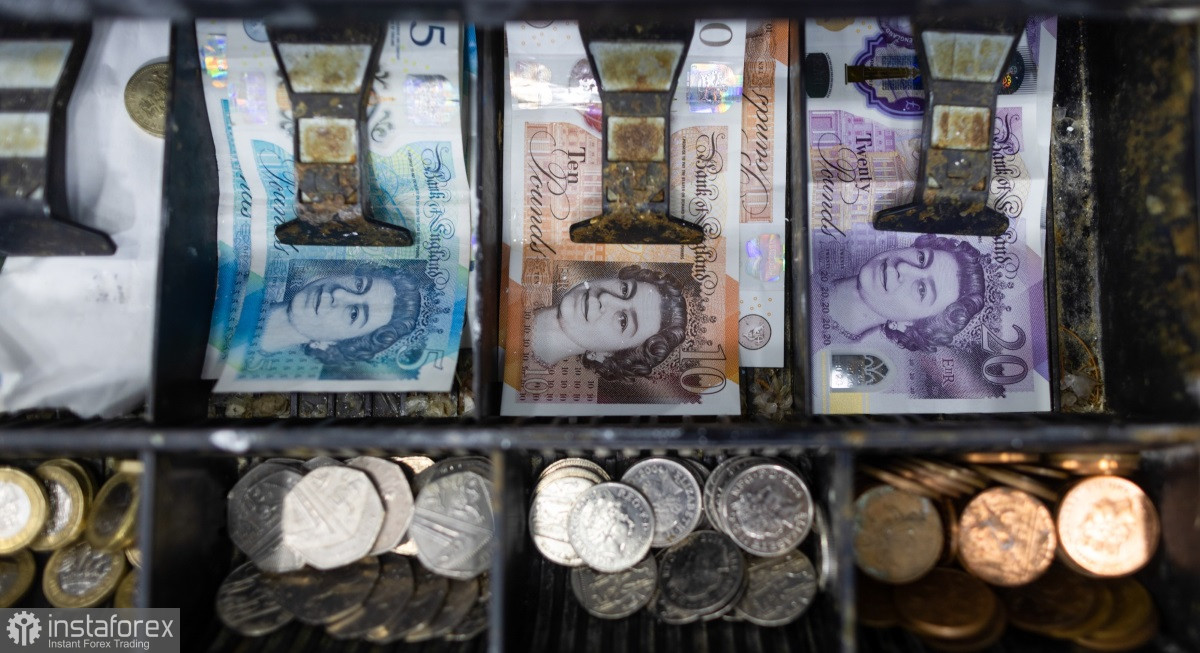
According to Bank of England data, in April British firms expressed worries about future pricing, expecting prices to rise by 4.4% over the next year. This figure is materially above March forecasts, when firms expected price growth of 3.7%. Such a noticeable jump in inflation expectations is directly linked to the current geopolitical situation.
Rising energy prices, driven by the escalation in the Middle East, are exerting substantial pressure on the global economy. Disruptions to oil and other energy supplies undermine normal market mechanisms, forcing firms to build possible price swings into their plans. Higher energy costs, in turn, inevitably feed through into the final prices of goods and services.
Moreover, companies forecast that headline inflation will reach 4% by year-end. This rate is twice the Bank of England's 2% target, which creates a difficult task for the central bank in stabilizing the economy. Managing inflation expectations and containing overall price growth become priority objectives for the regulator amid increasing external pressure.
It is quite possible that, following the next Bank of England meeting, we will learn of planned monetary policy adjustments. The results of the fresh survey will likely be considered by policymakers when they discuss the setting of interest rates at the 30 April meeting.
On wages, the DMP report notes that the war has, so far, had little effect on the labor market. Firms have only marginally raised their pay growth expectations to 3.5% for the coming year, compared with 3.4% previously. According to Bank of England officials, most pay agreements for 2026 have already been settled, with average increases around 3.5%, so, in the near term, the Middle East conflict should not materially affect household incomes. However, there is a risk that a sharp rise in energy prices will play a more important role in wage negotiations later this year and into 2027.
The Bank of England has already concluded that firms are likely to pass at least part of realized or expected cost increases on to consumers, because profit margins have been significantly squeezed. At the same time, companies worry that higher prices will hit demand, especially if their goods and services are not essentials.
As I noted above, the pound sterling remains dominant in the FX market for now.
Technical outlook for GBP/USD
Regarding the current technical picture for GBP/USD, buyers of the pound sterling need to take the nearest resistance at 1.3555. Only this will allow targeting 1.3585, above which a break will be rather difficult. The most distant target would be the area around 1.3915. In the event of a decline, bears will attempt to seize control at 1.3515. If they succeed, a breakout of the range will deal a serious blow to bulls' positions and push GBP/USD toward the low at 1.3480, with a prospect of reaching 1.3445.


