
Lihat juga


 19.10.2026 12:40 PM
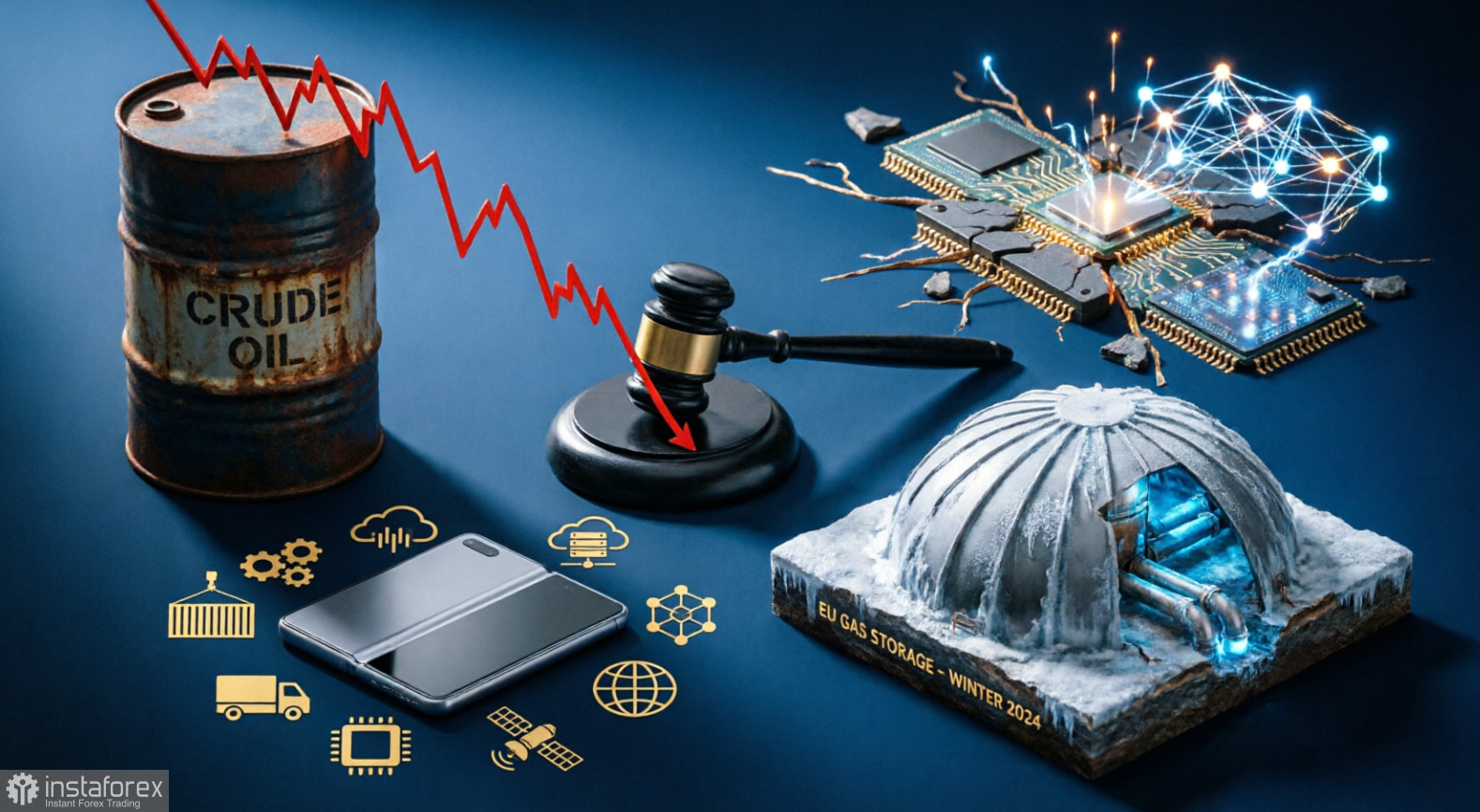
Markets are in a period of extreme instability. US President Donald Trump's unpredictable sanctions policy triggered a drop in oil prices.
At the same time, a shortage of gas in German storage facilities has heightened Europe's energy concerns.
A correction in the tech sector is making things worse: a burst AI bubble has driven key US and Asian indices lower.
Yet the market remains paradoxical: for example, Apple's market capitalization continues to rise despite problems ramping up new models.
In the current environment, high volatility has become the main tool for experienced traders able to monetize market shocks quickly.
The trading week opened with an unexpected reversal in commodity markets. On Monday, October 19, the Asian session saw oil prices slip after the White House delivered a fresh geopolitical shock to markets.
Donald Trump paused the implementation of new US sanctions and tariffs on Russia — a move that, analysts say, could clear the way for additional Russian fuel to reach global markets.
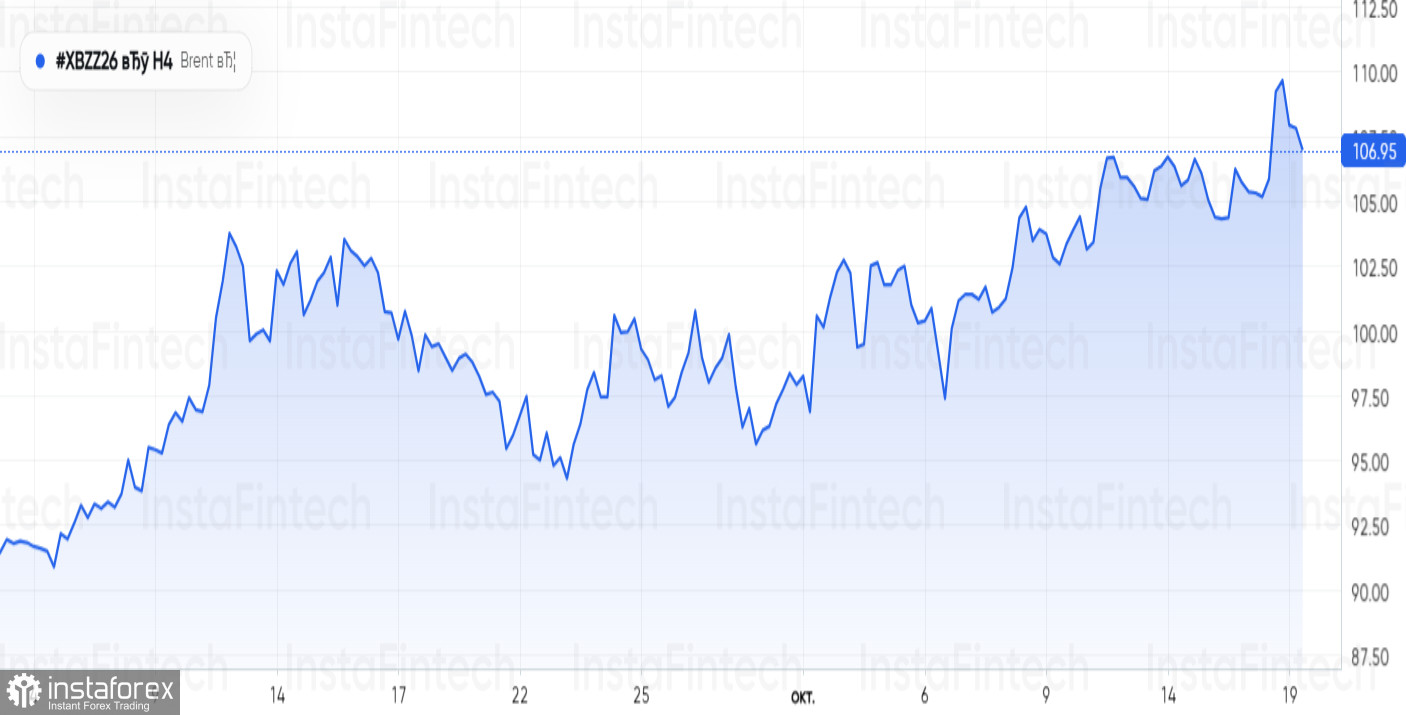
Brent futures, which were testing highs not seen since May 19 as recently as Friday, corrected by nearly 1% early in the week. West Texas Intermediate fell slightly less.
This is the administration's second conciliatory "knight's move" toward Moscow in two weeks, motivated by domestic politics: Trump is trying to bring down retail diesel prices before the November 3 midterms. The decision has provoked sharp criticism from both Democrats and Republicans.
What happened behind closed doors? On Friday, October 16, the president signed an order effectively freezing the implementation of tough measures under the Lindsey O. Graham sanctions act targeting Russia and Iran (the law itself was signed by Trump in September, and its measures were due to take effect on October 18).
The order suspends punitive tariffs, up to 500% on some Russian goods and up to 100% on key buyers of Russian oil and gas, and removes provisions that would have made the sanctions irreversible.
The move gives the president legal leeway to soften the measures further. Reuters reports the relief will remain in place until Trump or senior officials decide to resume a harder line.
The October order follows last week's high-profile deal announced by Donald Trump and Vladimir Putin to supply diesel. On October 9, the US Treasury issued general license No. 135, allowing the sale and import of Russian diesel (including for the domestic US market). The license runs through April 2027.
Why the easing? CNBC reports domestic fuel shortages worsened amid the war with Iran. Trump said Russia is ready to ship 300,000 tonnes of diesel immediately, rising to 500,000 tonnes in November and eventually to 1 million tonnes per month (Al Jazeera figures).
That said, The Washington Post tempers the enthusiasm: these volumes represent a small share of US consumption, so the global impact on domestic pump prices may be limited.
Such geopolitical swings and abrupt sanctions reversals create ideal conditions for speculators. Oil futures and commodity-sensitive FX pairs are showing heightened volatility, offering trading opportunities.
All of the trading instruments discussed here are available on the InstaTrade platform. To stay on top of current trends and react to news in real time, open an InstaTrade account and download the mobile app to monitor global markets from anywhere.
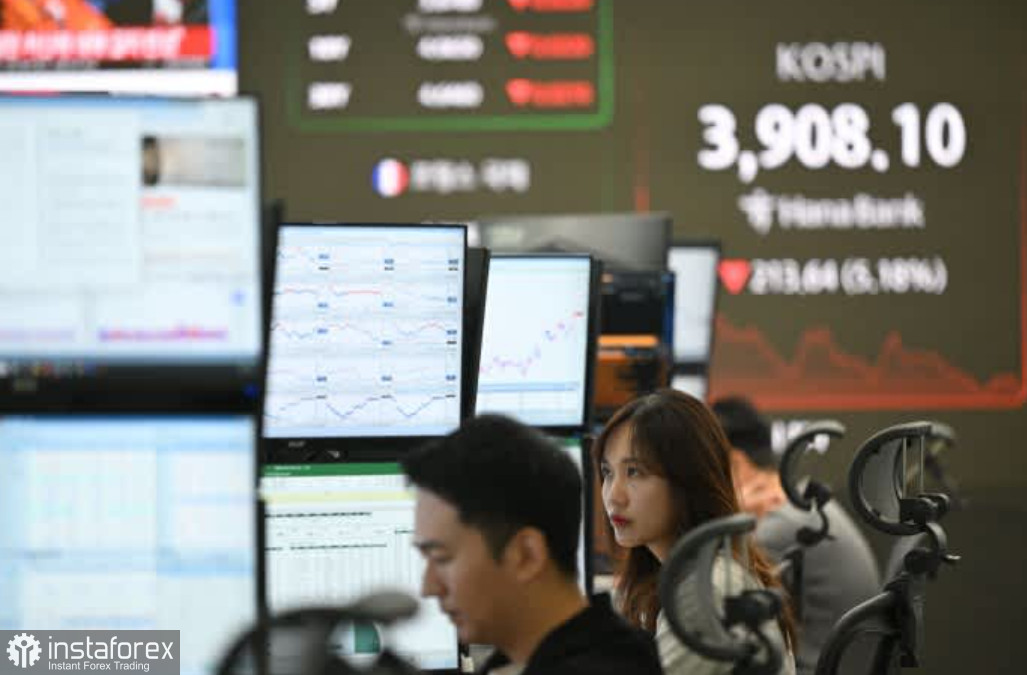
The era when any AI headline was an unconditional "buy" signal appears to be ending. Monday, October 19, began for Asian investors with a severe financial hangover: local exchanges were rocked one after another amid a large tech sell-off on Wall Street.
What looked yesterday like an unassailable position for Asian chip makers turned into mass loss-taking today. Japan's Nikkei 225 fell by more than 1.7%, and South Korea's Kospi plunged by 3% at the open, though it clawed back some losses by mid-morning.
Industry giants in semiconductors took the brunt of the hit. SoftBank Group shares slid by 4.43%. In South Korea, Samsung Electronics and SK Hynix were deep in the red. In Japan, investors dumped memory supplier Kioxia and components names such as Taiyo Yuden and Sumco.
By midday, both major Asian benchmarks were down roughly 2%. Panic was worsened by rumors in the memory market: SBS reported that some participants seriously fear Chinese producers are rapidly catching up, threatening price cuts and a market re-segmentation.
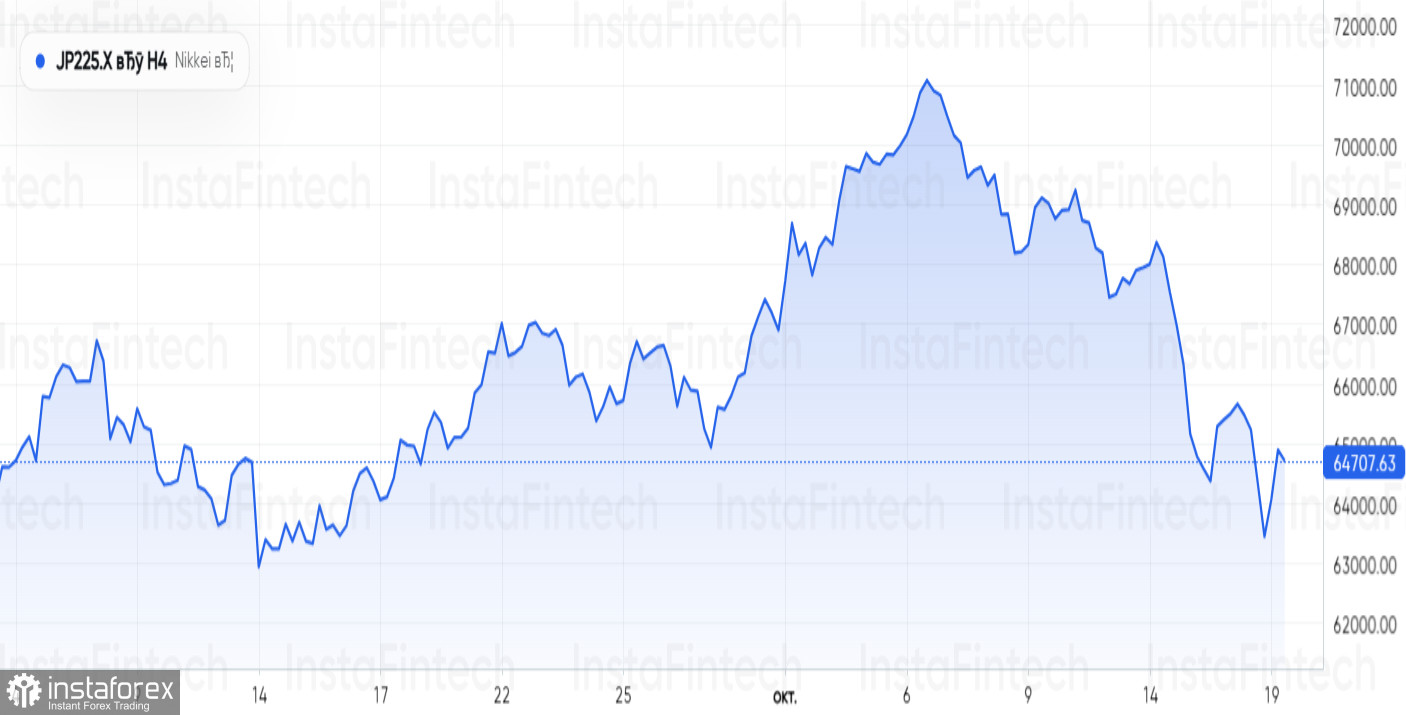
Roots of the Asian panic trace back to Wall Street. The market finally put an uncomfortable question to the AI giants: when will the massive investments in neural networks begin to pay off?
The prior US session reflected the mood: the S&P 500 slid by 1.09%, and the Nasdaq Composite plunged by 2.15%, closing out its worst week in nearly four months.
Infrastructure names exposed to AI, CoreWeave (-10%), and Oracle (-nearly 5%) among them, fell sharply. The Philadelphia Semiconductor Index plunged by 11.4% last week, marking the longest losing streak since the 2008 crisis.
As a result, over the past week, the Nikkei lost about 5.4%, and South Korean equities fell by more than 14%. A stark reminder of market fragility came on October 13, when the Kospi tumbled by 5.46% in a single session.
Investor skepticism is reinforced by harsh macro reality. Market participants have long feared that AI revenues will not be sufficient to recoup massive up-front investments.
Rising bond yields and widening credit spreads make capital more expensive. That makes borrowing and refinancing harder, slowing the build-out of new AI infrastructure. The era of cheap money for tech startups and hyperscalers is over — the market now wants not grand promises but concrete financial results.
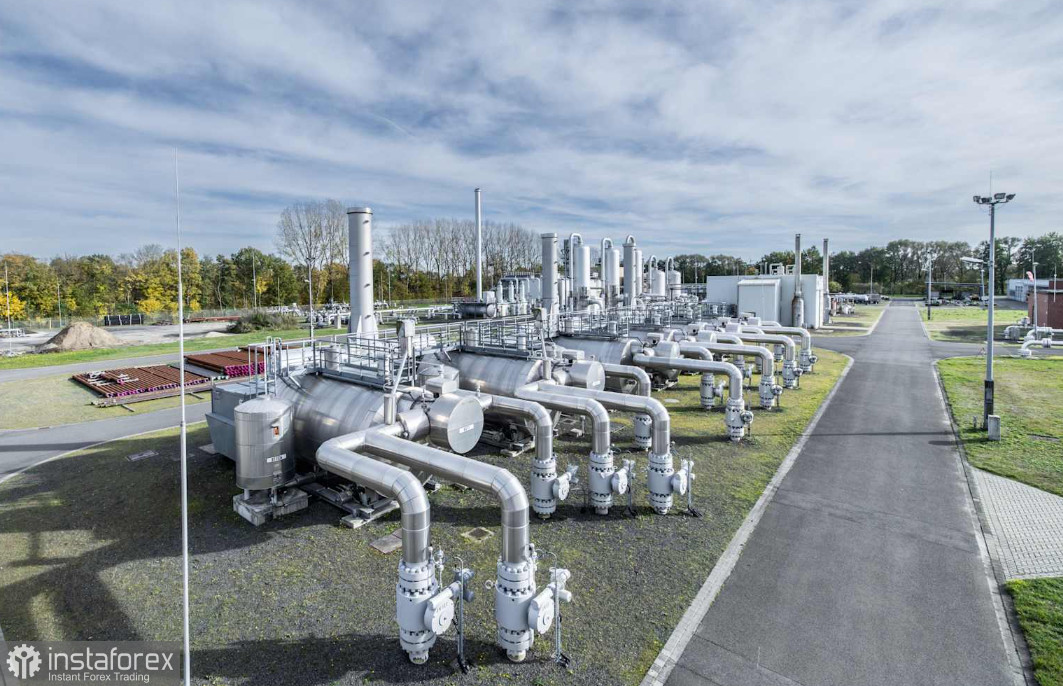
The heating season has begun in Europe, but Germany is entering it with palpable concern. National gas storage levels have stalled around 60%, a critically low reading for this time of year. With disruptions in the Strait of Hormuz and rising global prices for "blue fuel," Berlin has been forced into emergency action.
According to the Federal Network Agency (Bundesnetzagentur), mid-October gas inventories stood at roughly 60.4–60.5% (about 149.5 TWh).
As Sloboden Pecat reports, the agency — having adjusted the original data posted on the AGSI transparency platform — called this level "significantly below" prior years and said that officials take the issue "very seriously." Daily injection volumes over recent weeks have been openly disappointing.
Why weren't storages filled on schedule? The answer lies in global geopolitics. High prices driven by the Iran war made it uneconomical for private traders to buy and bank summer gas. The market stepped back, leaving the state to manage the shortfall alone.
Logistics shocks made matters worse. Shipping disruptions in the Strait of Hormuz hit LNG deliveries. Europeans now face fierce competition from Asian buyers for the same cargoes, which inevitably pushes prices higher.
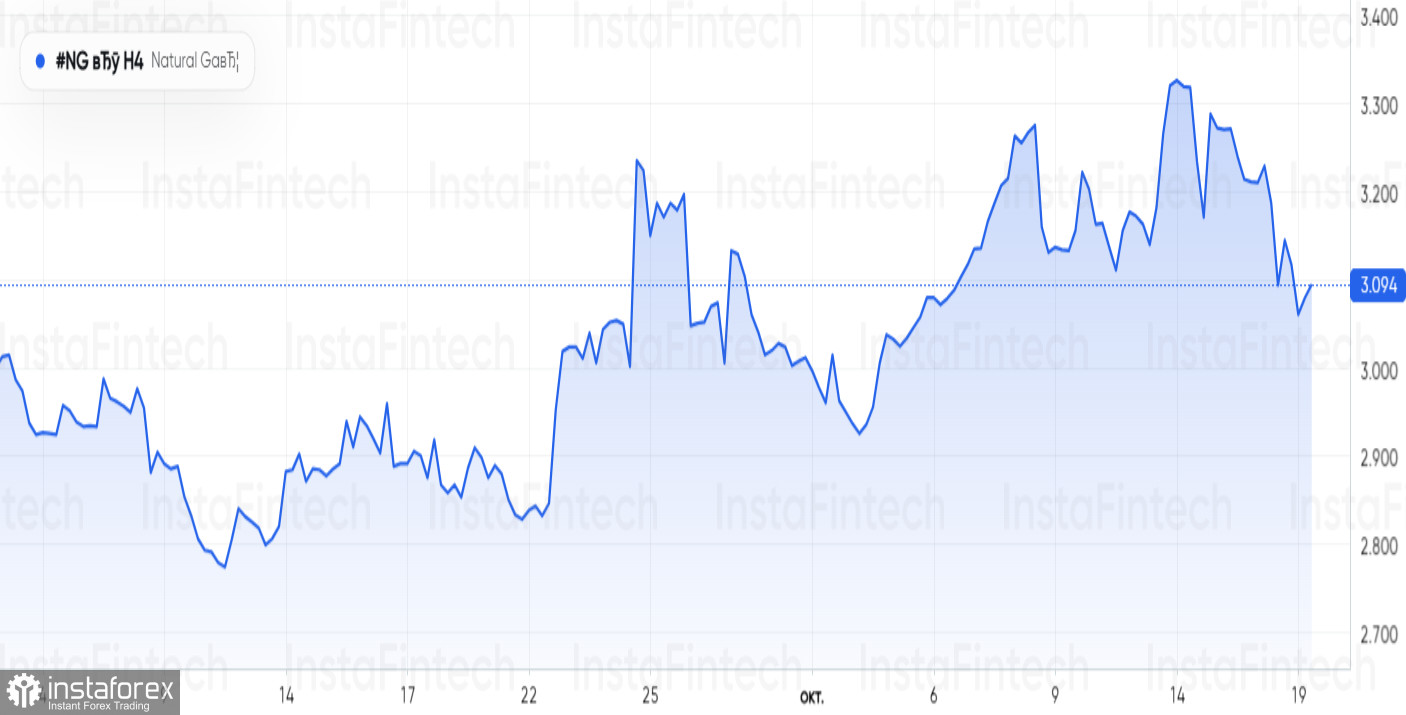
Authorities are trying to reassure markets. The Bundesnetzagentur says supplies remain stable and judges the risk of an acute shortage as low. In the second week of October, Germany took in about 17.1 TWh of pipeline gas, and its LNG terminals — operating at only about one-third capacity (34.4%) — added roughly 1.6 TWh. The agency stresses that rigid November rules are not a guarantee of security; the entire infrastructure complex matters.
According to agency head Klaus Muller told n-tv, Germany will get through a normal winter, including January frosts. He added, however, that inventories would fall to a "very low level" by the end of the season.
Recognizing the risks, Economy Minister Katherina Reiche ordered state company SEFE to urgently buy and inject an additional 8 TWh of gas by December 15.
Professionals are less sanguine. Storage operator group INES, via t-online, warned bluntly that the emergency volume will be only a drop in the bucket if the winter proves unusually cold and prolonged.
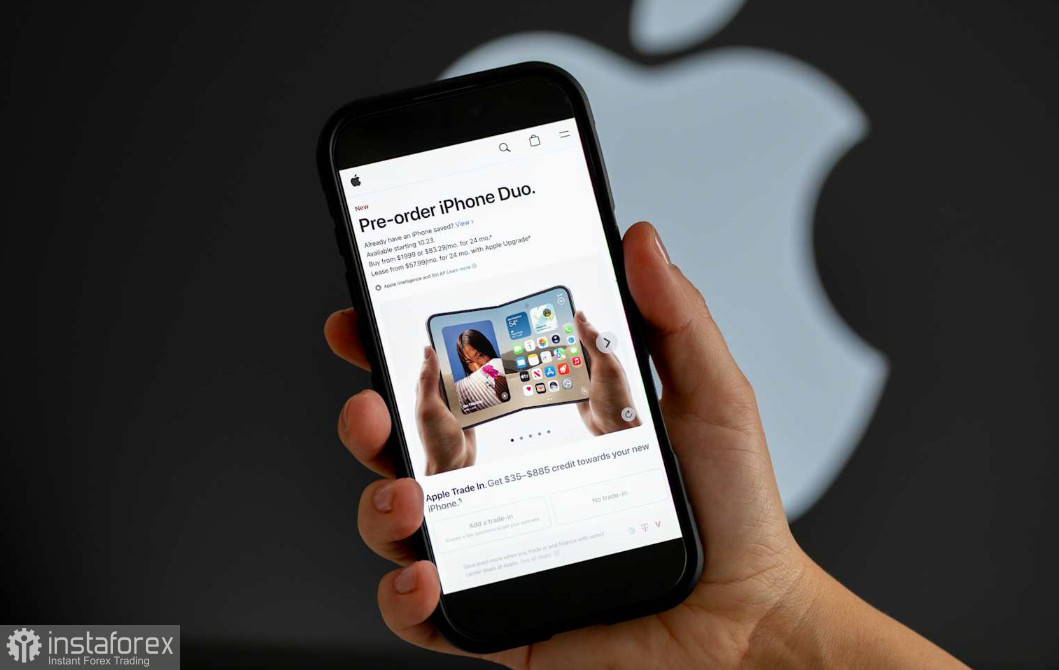
Apple's first foldable phone has become not only a tech sensation but also a stress test for logistics and a bonanza for resellers. The iPhone Duo, starting at $1,999, was literally swept off virtual shelves in the first minutes after preorders opened on October 16.
Just 30 minutes after pre-order launch at 8:00 a.m. New York time, buyers faced a harsh reality: delivery dates for all configurations slipped to late January 2027. By 5:30 a.m. Pacific, "in stock" disappeared for all eight variants in US Apple stores, from standard Star White and Night Sky colors to top-end 2 TB models.
In the secondary market, the scramble took stranger forms: resellers on eBay immediately drove prices up to $5,200. Carriers (AT&T and Verizon) and retailers such as Best Buy tried to hold the line, promising shorter delivery windows, but by evening, they too had to admit: inventory for the official release day, October 23, was sold out.
The same script played out even faster in China. World Journal reports that pickup slots for launch day were gone within seconds after preorders opened at 8:00 p.m. local time, and courier delivery windows were already pushed into next year within 30 minutes.
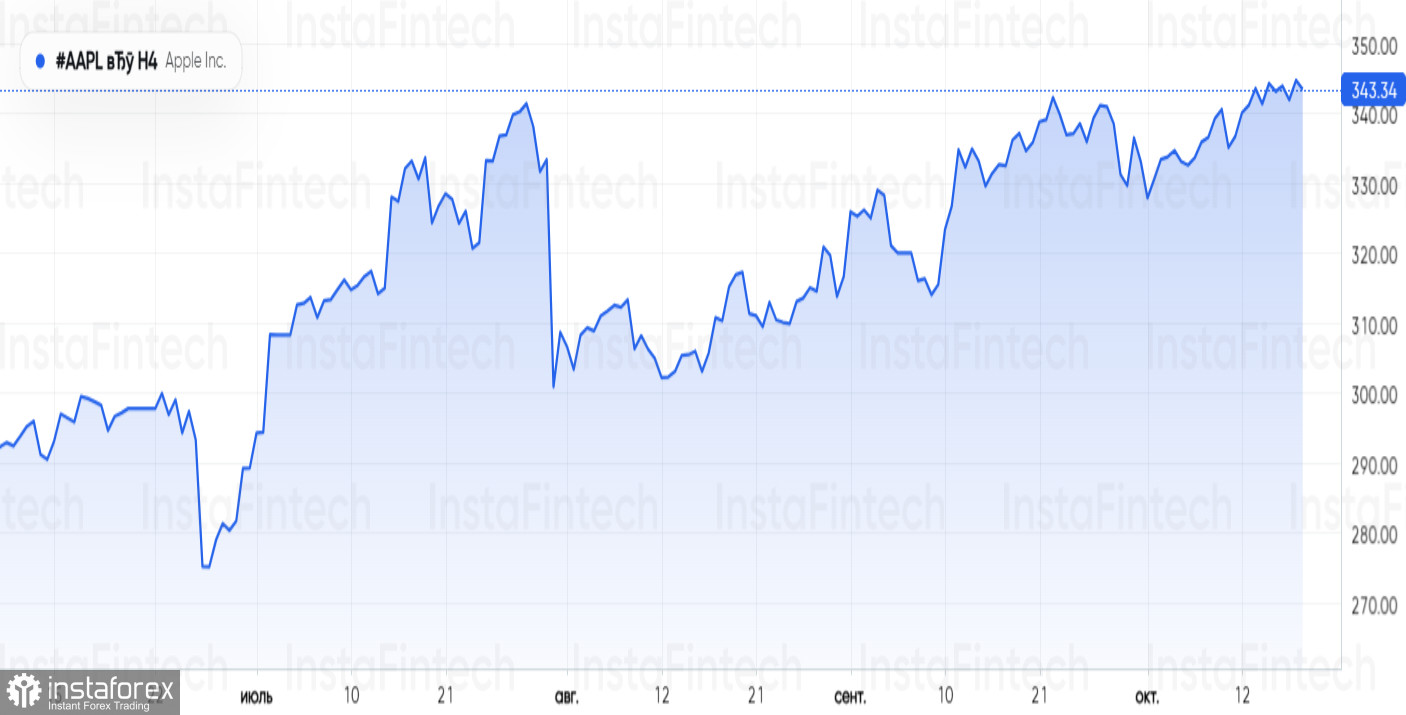
On Wall Street, the consumer mania initially sparked euphoria. Apple shares approached record highs, and the company's market cap, per El Pa-s, topped the psychological $5.03 trillion mark. Bloomberg Intelligence analysts were already suggesting that Duo sales could exceed their initial FY2027 forecast of 14 million units and $28 billion in revenue.
But behind the sellout facade lies another side. Several experts warn that empty shelves are more a symptom of supply constraints than proof of limitless demand.
Nikkei Asia reports that at launch, Apple's production lines were shipping only "a few hundred" units per day. Analyst Geoff Pu told Yahoo Finance he has cut his 2026 supply forecast to 6 million units, citing technical issues with the foldable hinges.
Counterpoint Research (via The Next Web) concurs, expecting similar numbers. As industry watchers pithily put it: "A sold-out launch reflects high consumer interest, but it does not equal total market demand or prove how many devices Apple can manufacture."
The iPhone Duo episode highlights how consumer electronics news can create sharp volatility in equity markets. While some consumers queue virtually and pay reseller premiums, others profit from the market swings and analyst revisions.
The trading instruments referenced here are available on the InstaTrade platform. To turn global news and market trends into potential profit, open an InstaTrade trading account today and download the mobile app to stay connected and trade from anywhere.


