
Lihat juga


 30.04.2026 02:07 PM
The British pound, euro, Japanese yen, and Canadian dollar were traded today using the Momentum strategy. I did not use the Mean Reversion strategy.
Weak eurozone GDP growth data for the first quarter put pressure on the euro, but did not trigger a large-scale sell-off. Despite the initial slowdown in economic growth, inflationary pressure in the eurozone continues to increase. This creates a dilemma for the European Central Bank, which must decide today how to balance risks to economic growth and price stability.
In addition, market participants will closely watch U.S. first-quarter GDP data in the second half of the day. This report should provide a clear picture of the overall trajectory of economic growth, highlighting potential slowdowns or, conversely, acceleration. Equally important is the core Personal Consumption Expenditures (PCE) index, one of the Federal Reserve's key indicators of inflationary pressure. Understanding how this index has changed will be crucial for forecasting future monetary policy. Other related indicators also need to be analyzed, including changes in consumer spending, which reflect consumer activity, and changes in personal income.
If the data is strong, I will rely on the Momentum strategy. If there is no market reaction to the data, I will continue using the Mean Reversion strategy.
Momentum Strategy (Breakout) for the Second Half of the Day
For EUR/USD
For GBP/USD
For USD/JPY
Mean Reversion Strategy (Pullback) for the Second Half of the Day
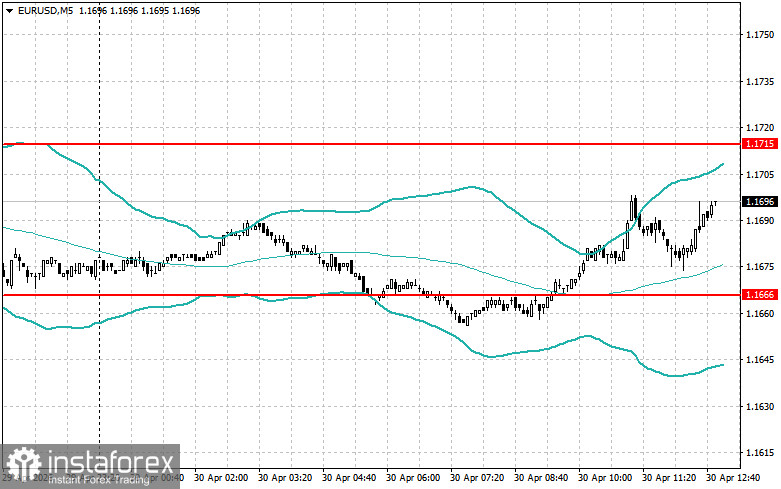
For EUR/USD
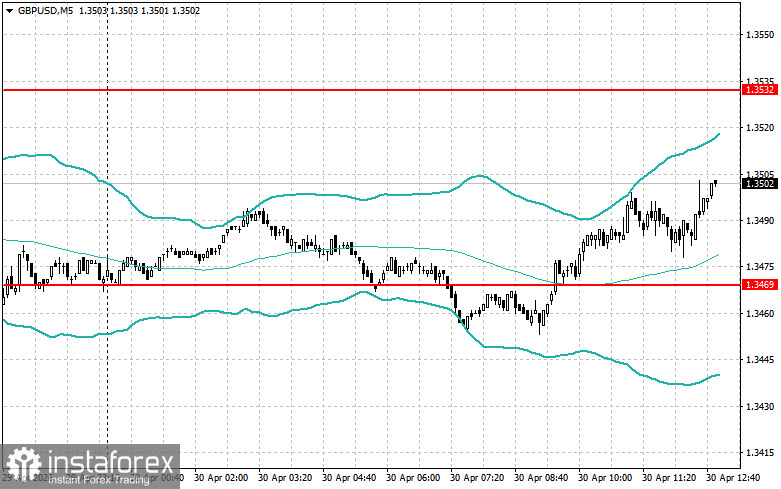
For GBP/USD
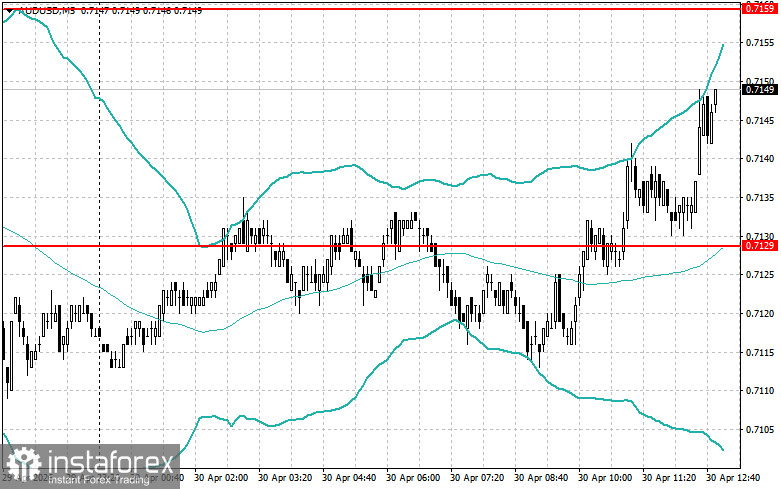
For AUD/USD
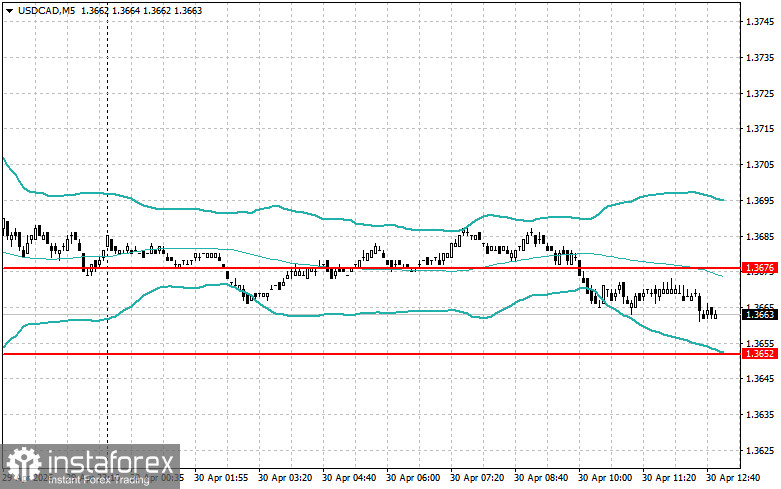
For USD/CAD


