
Veja também


 04.08.2026 12:53 AM
Trust, but verify. Bitcoin has long been considered digital gold, and cold wallets were viewed as the last line of defense for its holders. However, with BTC/USD prices dropping below $63,000, it turns out there is no armored protection anywhere.
The cryptocurrency is losing ground on multiple fronts. The waning momentum of the Clarity Act, which was supposed to lay a regulatory foundation for digital asset transactions, is robbing Bitcoin of its main catalyst. The bill is stuck in the Senate ahead of the summer recess, and traders are selling any rally without waiting for a breakthrough in negotiations.
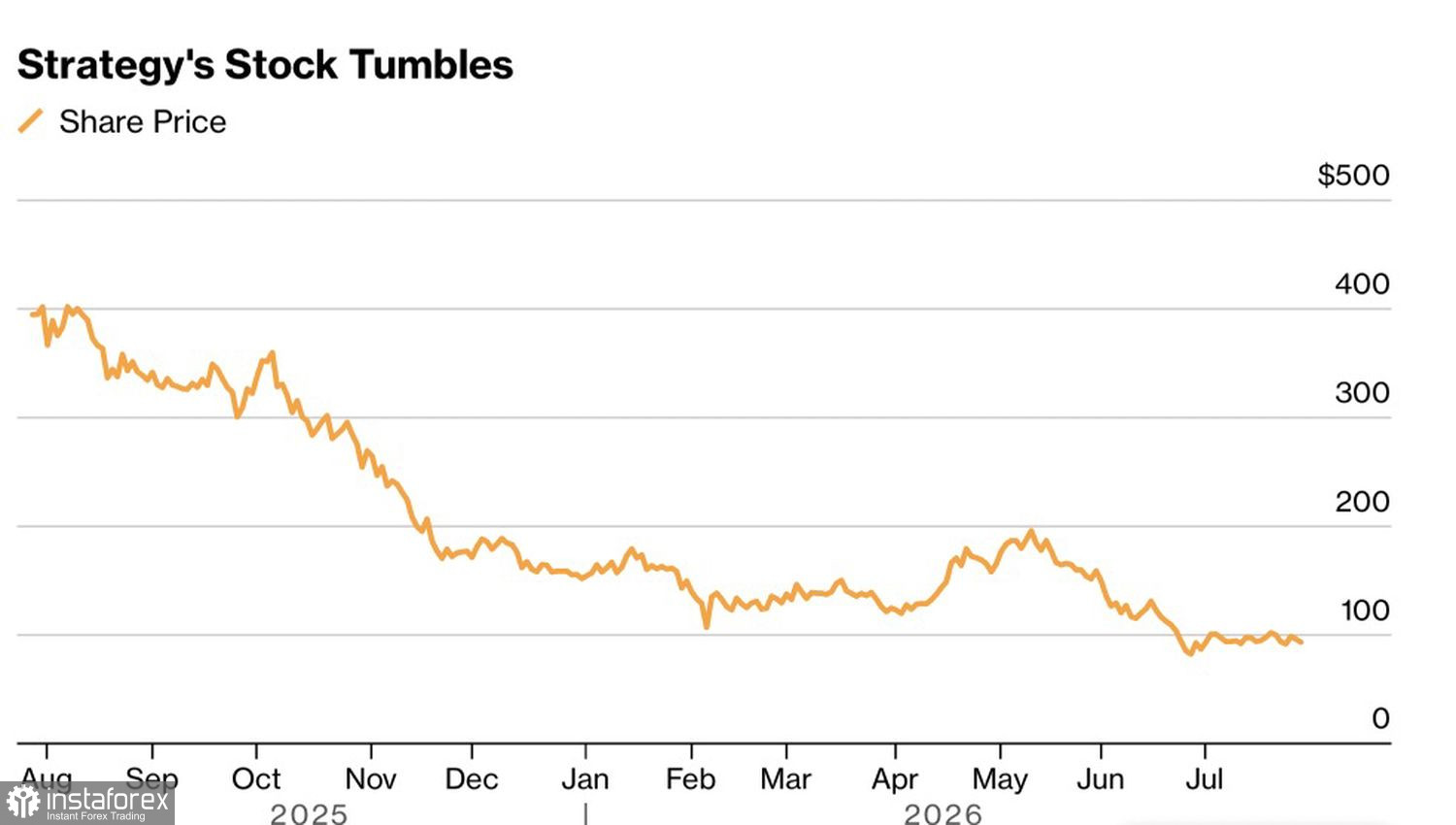
Disappointing earnings reports from cryptocurrency companies are adding fuel to the selling fire. Coinbase's revenue indicates softer demand from retail investors, while Michael Saylor's Strategy, the largest corporate holder of tokens, reported an $8.22 billion loss for the quarter. Bitcoin lost 14% over three months and about 30% year-on-year by the end of July. BTC/USD holders are left watching as the reevaluation of holdings affects the balance sheets of cryptocurrencies and the market capitalization of crypto exchanges.
At the same time, the implied volatility of BTC/USD hovers near historical lows. An abundance of sellers keeps the asset within a narrow corridor, robbing it of its usual amplitude of movements. Bitcoin, which used to soar and plunge rapidly, now resembles a weary boxer conserving energy before the decisive round.
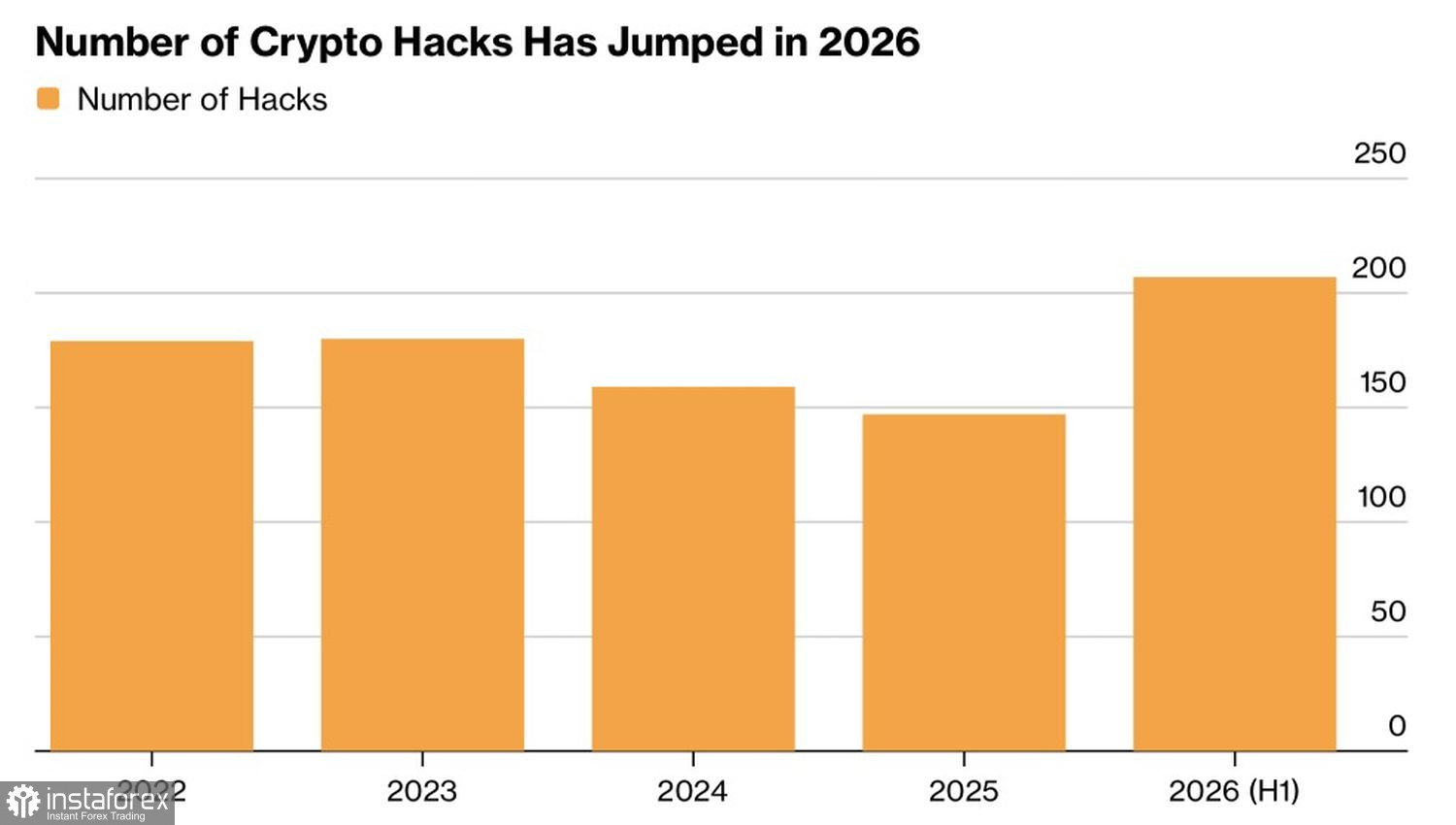
The worst news, however, did not come from the market but from the tech world. Hackers found a vulnerability in Coldcard devices—a brand of cold wallets long considered a benchmark for the safe storage of digital assets. From approximately 5,000 compromised wallets, over 1,755 tokens worth about $110 million have been drained. The paradox is that the scale of theft in 2026 is lower overall than last year—according to TRM Labs, losses totaled $972 million, down from $2.3 billion the previous year. However, the number of hacks rose to a record 207 in the first half of the year.
In truth, the problem is deeper than individual incidents. Investor appetite for speculation is waning across the board. Volatility surrounding densely packed trades in artificial intelligence forces day traders to take a defensive position, and Bitcoin suffers alongside stocks. The rally in Treasury bond yields following the Federal Reserve meeting only amplifies the flight from riskier assets.
So what remains for Bitcoin if neither Congress nor protection technologies have worked? Perhaps only the belief among investors that the current storm will end sooner or later, as all previous storms have.
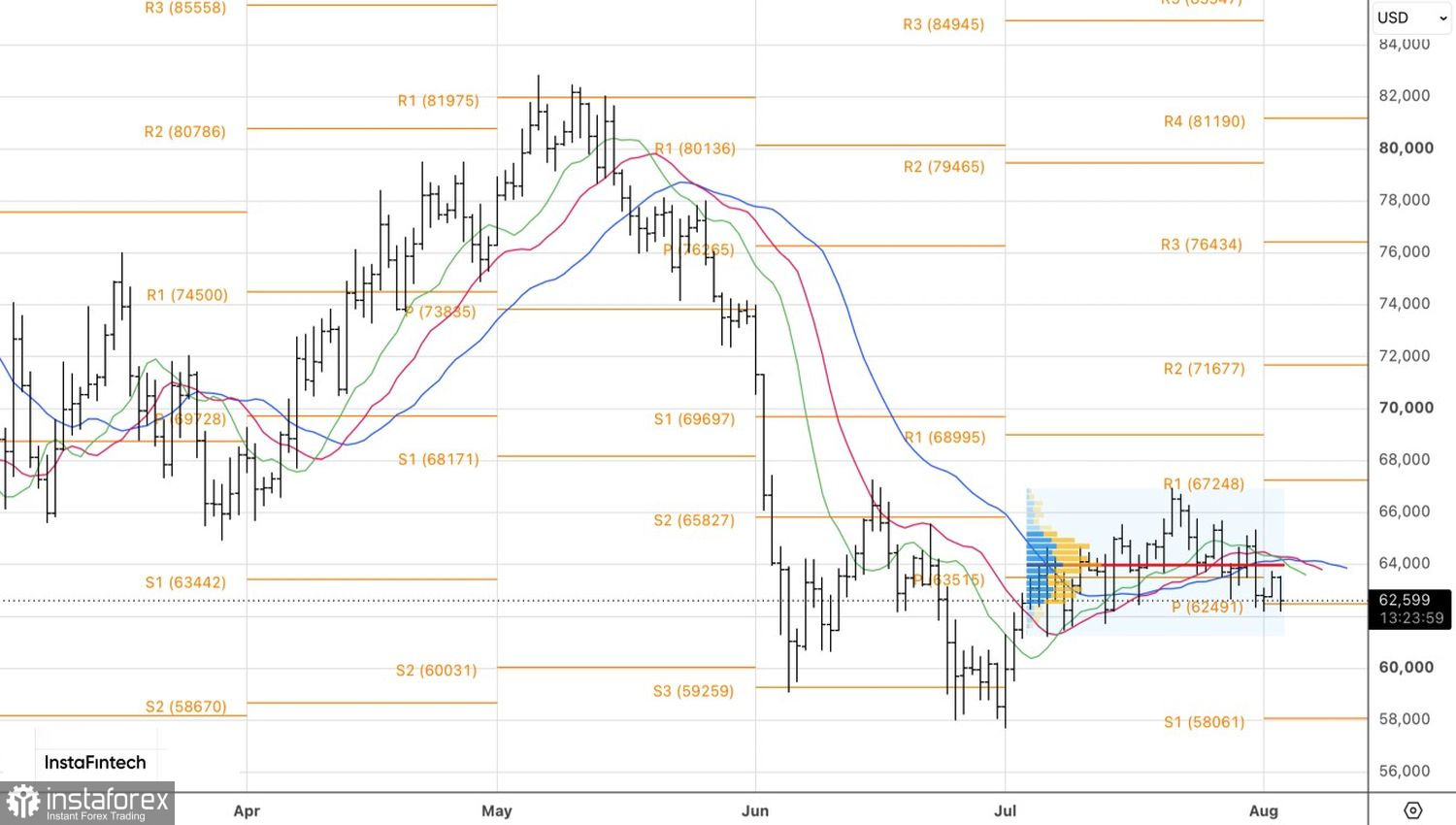
On the daily chart of BTC/USD, prices have approached the lower boundary of the $62,000–$65,500 consolidation range. A confident assault at this level will heighten the risk of a resurgence of the downtrend in Bitcoin and provide a basis for short positions.


