
یہ بھی دیکھیں


 05.06.2026 10:53 AM
The British pound is attempting to establish itself slightly above the 200-day SMA following yesterday's reports of a ceasefire agreement between Israel and Lebanon. However, reports that Hezbollah had rejected the proposal led to a correction in the pound's exchange rate. At the time of writing, GBP/USD is trading at 1.3424 after reaching an intraday high of 1.3460 yesterday.
GBP/USD is also attempting to advance amid falling oil prices, which partially offset various uncertainties related to the Hezbollah situation.
Meanwhile, military activity continues in the Middle East, with Israel carrying out strikes in southern Lebanon. According to Al-Hadath, the Israeli army has begun withdrawing troops from Dibbine in southern Lebanon. Iran has reaffirmed the importance of a ceasefire for progress in peace negotiations with the United States.
A swift resolution of the regional conflict could ease inflationary pressures, as major central banks are expected to keep interest rates at current levels. Other central banks, such as the Reserve Bank of Australia (RBA), have tightened monetary policy by 75 basis points this year, citing the impact of energy shocks and disruptions to oil supplies.
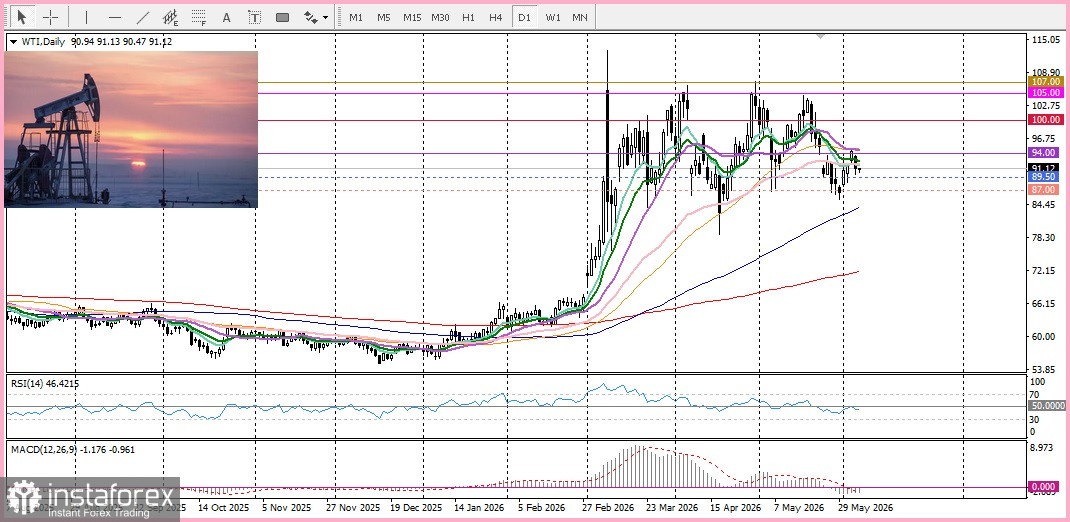
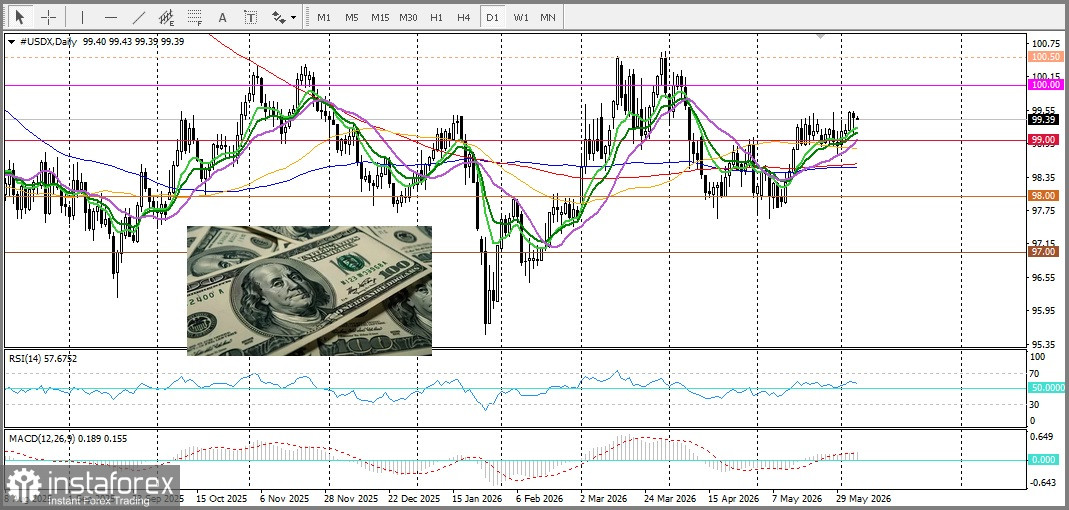
West Texas Intermediate (WTI) crude oil, the benchmark for the U.S. market, fell by 5% to $91.11 per barrel. This is weighing on the U.S. dollar, as a close relationship exists between oil prices and currency valuations. The U.S. Dollar Index (DXY), which measures the value of the dollar against a basket of six major currencies, declined by 0.21% to 99.38.
In the United States, initial jobless claims for the week ending May 30 exceeded expectations, coming in at 225,000 compared with the previous week's revised reading of 212,000. The four-week moving average rose to 214,750 from 208,250 previously.
In May, announced job cuts increased from 83,387 to 97,006, with nearly 39% of the reductions occurring in the technology sector. This represented an increase of approximately 16% compared with April.
Despite this, the labor market continues to show resilience as traders await the release of the May Nonfarm Payrolls report. The report is expected to show job growth of 85,000, while the unemployment rate is forecast to remain unchanged at 4.3%.
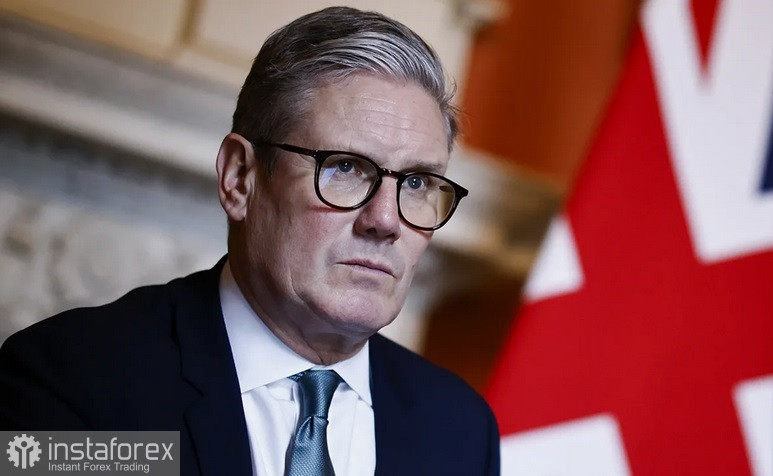
In the United Kingdom, amid an ongoing political crisis and speculation regarding his future, Prime Minister Keir Starmer is facing growing dissatisfaction within his party, which is reportedly seeking a replacement following disappointing local election results.
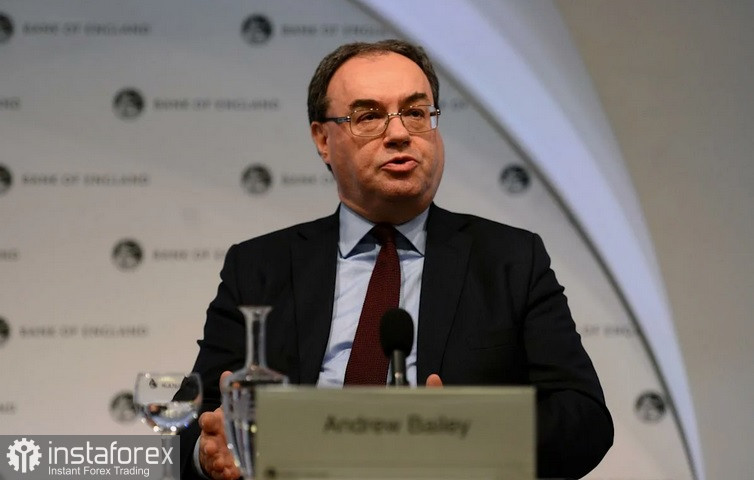
Additional support for the pound comes from recent comments by Bank of England officials. Governor Andrew Bailey noted that, without factors related to the situation in the Persian Gulf, inflation could already have reached the Bank's 2% target. Two days ago, Bank of England Monetary Policy Committee member Megan Greene emphasized that the case for raising interest rates is becoming increasingly compelling.

Financial markets are currently pricing in approximately 47 basis points of potential Bank of England rate increases in 2026, implying expectations of at least two rate hikes by the central bank.
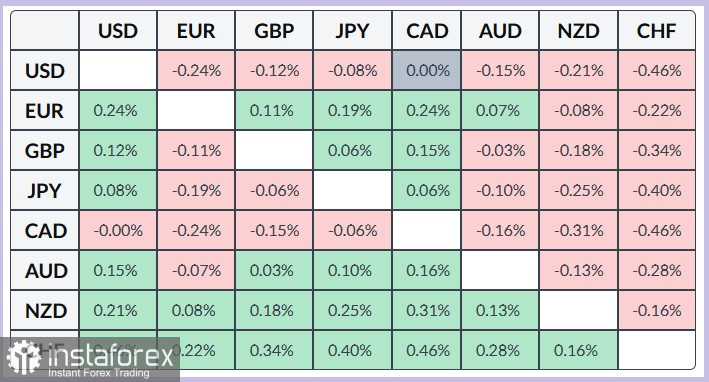
The table below shows the percentage change in the British pound against major currencies today. The pound posted its strongest performance against the Canadian dollar.
From a technical perspective, the pair continues to trade within a sideways range between key moving averages. The 200-day SMA serves as immediate support, followed by the psychological level of 1.3400. The nearest resistance is provided by the 20-day SMA, after which bulls will face the challenge of overcoming the 100-day SMA. However, as long as oscillators remain in negative territory, bears retain the advantage.


